When managing waste for your business, it’s just as important to know what CAN'T go in your dumpster or compactor as it is to know what can. Improper disposal can lead to safety risks, regulatory violations, contamination issues, and additional service charges.
To help businesses stay compliant and operate safely, here’s a breakdown of materials that are not accepted in commercial dumpsters or compactors.
PLEASE NOTE: Restrictions vary by local and state regulations, so it’s important to confirm requirements in your service area. If you’re ever unsure, our Customer Care team can help answer questions and guide you to the proper disposal solution.
Table of Contents
Why Certain Materials Are Restricted
Commercial dumpsters and compactors are designed to handle everyday municipal solid waste (MSW). Certain materials are prohibited because they may:
- Create safety hazards for employees, collection crews, and our environment
- Damage equipment or disrupt processing operations
- Violate state and local regulations, such as the Massachusetts Waste Ban requirements
- Require specialized recycling or disposal methods
Construction and Demolition Materials
These materials are not accepted in standard commercial waste containers in most areas:
- Asphalt pavement, brick, and concrete
- Clean gypsum wallboard
- Treated and untreated wood and wood waste
- Other construction and demolition debris
Why it matters:
These materials are heavy, can damage equipment, and often require specialized recycling or processing.
What to do instead:
Dedicated open top roll-off dumpster options are available for construction and demolition debris disposal. Connect with our team to find the right roll-off dumpster solution for your needs.
Electronics and Universal Waste
Keep these materials out of dumpsters and compactors:
- Cathode ray tubes (CRTs)
- Electronics (computers, monitors, TVs)
- Batteries, including lead acid and lithium-ion
- Fluorescent bulbs
Why it matters:
These materials contain hazardous components such as mercury and heavy metals and must be handled through certified recycling programs. Improperly disposed batteries, especially lithium-ion, can ignite when damaged or compacted, creating serious fire risks for collection vehicles, processing facilities, and WIN Waste drivers and team members.
Hazardous and Special Waste
The following materials pose significant safety and compliance risks:
- Ammunition, fireworks, flares
- Aerosol cans and propane tanks
- Asbestos and other hazardous materials (toxic, flammable, corrosive, or explosive)
- Chemicals and liquids of any kind
- Medical, biomedical, or infectious waste
- Mercury-containing items
- Toxic or PCB-contaminated waste
Why it matters:
These materials can cause fires, explosions, or environmental contamination and are strictly regulated.
Metals, Appliances, and Bulky Items
These items should not be disposed of in commercial dumpsters:
- Ferrous and non-ferrous metals
- Appliances and white goods (large appliances)
- Mattresses and box springs
Why it matters:
Many of these items are recyclable and may require special handling due to size, weight, or material composition.
Organics and Yard Waste*
Organic materials can be restricted or regulated based on your state and local regulations:
- Commercial food waste (Massachusetts Waste Ban)
- Leaves and yard waste
- Animal remains and ashes
Why it matters:
Organic materials can often be diverted through composting or organics recycling programs. Connect with our team if you are unsure about restrictions in your specific region.
Recyclable Materials
Even though they are not hazardous, these materials don’t belong in the trash:
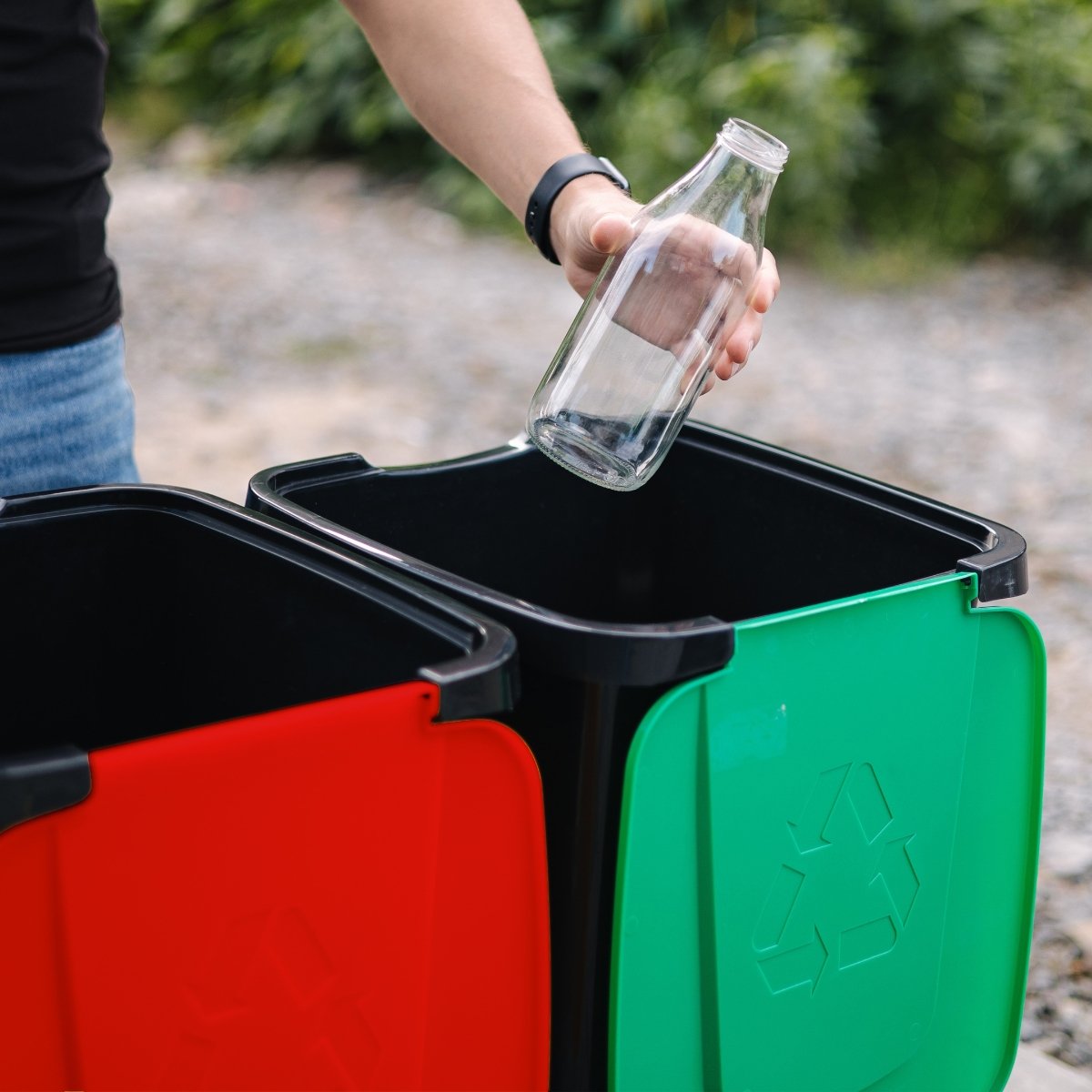
- Glass, metal, and plastic containers (bottles, cans, jars, jugs, tubs)
- Recyclable paper, cardboard, and paperboard
Why it matters:
Disposing of recyclables in the trash can violate local regulations and increase disposal costs. Connect with our team to discuss a dedicated recycling solution for your business.
Textiles
Textiles disposal can be restricted or regulated based on your state and local regulations:
- Clothing, fabrics, and other textiles
Why it matters:
Textiles are widely recyclable and should be diverted through donation or textile recycling programs, where available.
Tires
- Whole tires
Why it matters:
Whole tires are prohibited due to fire risk and must be recycled through approved tire programs.
Regional Considerations
While the categories above apply broadly, some regulations vary by state:
- Massachusetts: The most restrictive, with Waste Ban requirements covering organics, recyclables, and certain construction materials
- New Hampshire and Maine: Similar restrictions, with fewer statewide bans but still requiring proper handling of hazardous and recyclable materials
- Connecticut and New York: Strong recycling and hazardous waste requirements aligned with environmental protection standards
- Ohio: Fewer restrictions on construction materials, organics, and textiles, but hazardous, electronic, and tire disposal rules still apply
Best Practices for Businesses
To stay compliant and avoid service disruptions:
- Clearly label dumpsters and compactors
- Train staff on proper disposal practices
- Partner with WIN Waste for special pickups, special waste handling options, or dedicated recycling programs
When in Doubt, Ask
If you’re unsure whether a material is acceptable, it’s always best to check before disposing. Our Customer Care team or your Account Manager can help you:
- Identify proper disposal methods
- Coordinate safe handling or removal
- Stay compliant with your specific local and state regulations
Keep Your Waste Stream Safe, Compliant, and Efficient